Evidence-Led Washing Machine Diagnosis in Edenvale
Edenvale service requests often combine domestic appliances with machines used in apartments, managed rentals and guest accommodation. Usage frequency, access and the quality of the water and waste connections all influence how the fault should be assessed.
What we establish before recommending a repair
For a Edenvale booking, we begin with the customer’s exact complaint, the programme stage where it occurs and any recent changes to the installation or power supply. This prevents a visible symptom from being treated as proof of a failed part. A machine that will not spin, for example, may be responding correctly to retained water, an unlocked door signal or an unstable load rather than suffering a drive failure.
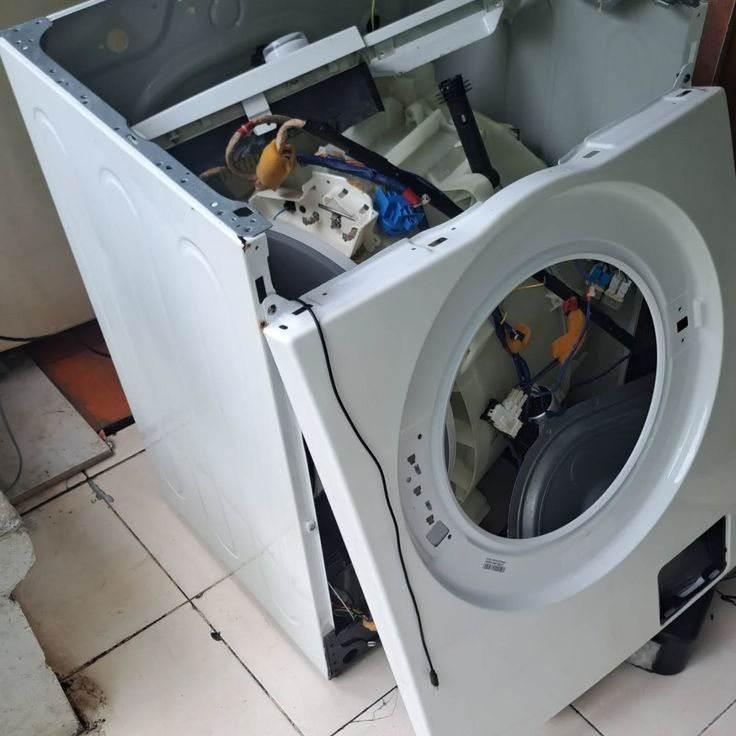
The Edenvale assessment then follows a logical sequence: external supply and installation, accessible filters and hoses, safety interlocks, electrical continuity where appropriate, mechanical movement, sensors and control outputs. The sequence changes with the symptom. We do not present a remote message, error code or common failure pattern as a confirmed diagnosis without testing.
Before work proceeds in Edenvale, the customer should understand the finding, the proposed action, the parts or access required and any uncertainty that remains. Where corrosion, previous repairs, unavailable parts or wider mechanical damage could affect value, those factors should be explained rather than hidden behind a generic promise.
Fault patterns we assess carefully in Edenvale
🔎
Programme pauses with water still visible
We test the filter, pump impeller, hose route, waste connection and pressure feedback. Control replacement is not considered until the machine has been shown to receive an incorrect or absent drainage result.
🔎
Door seal appears damaged
The seal is inspected for cuts, trapped objects, detergent deposits and drum contact. We also check whether excessive movement or a loose drum has contributed to the damage.
🔎
Machine intermittently loses power
Socket condition, plug temperature, cable movement, door-lock supply and control-power stability are checked under safe operating conditions.
Safety, completion testing and service limits
Customers in Edenvale should stop using the appliance if it trips the electrical supply, smells of burning, leaks near electrical connections, shows visible wiring damage or makes severe mechanical noise. Disconnect power only when it is safe to do so, close the water supply where leakage is continuing and avoid repeated restart attempts that may worsen the fault.
A Edenvale repair is not considered complete merely because the display turns on. The original complaint must be tested through the relevant stage, which may include filling, heating, washing action, draining, door locking, spin acceleration, leak observation and final error checks. Some intermittent faults require longer observation or a return visit if they cannot be reproduced safely.
For Edenvale, first-visit completion depends on access, fault complexity and part availability. We do not claim manufacturer authorisation, guaranteed stock, fixed outcomes or universal same-day completion unless these are separately verified for the specific booking. Diagnostic information on this page is educational and is not a substitute for an on-site assessment.
Preparing a Edenvale service visit
Apartment customers should advise whether the washer is under-counter, stacked or located in a cupboard with restricted access. Guest-property managers should also provide the available testing window and the person authorised to approve work.
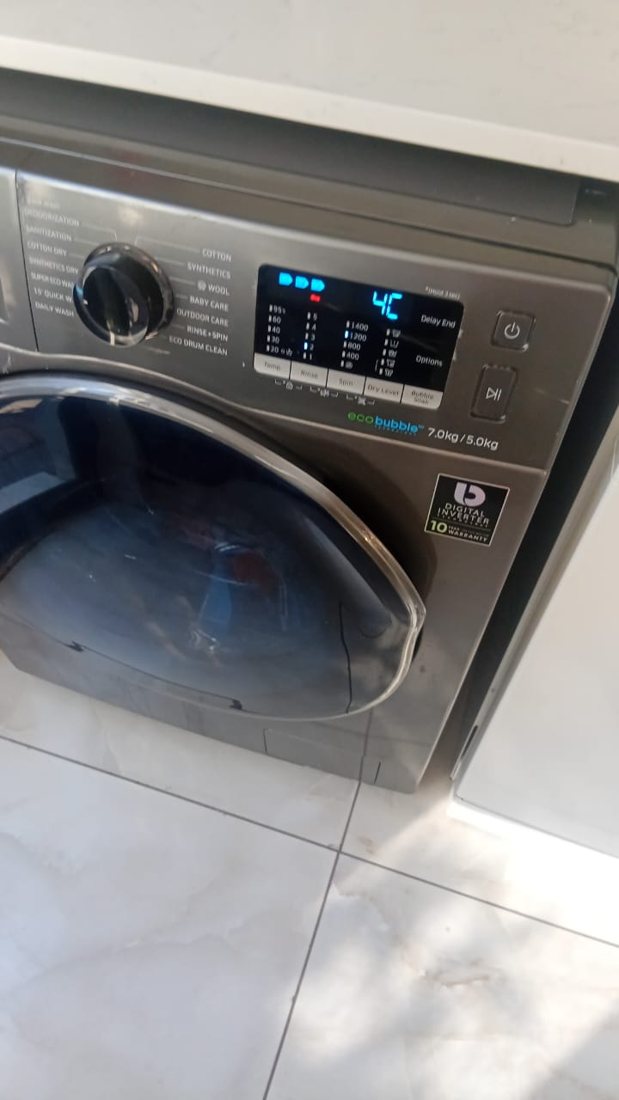
For a Edenvale booking, send the brand, model number, appliance type, clear photographs of the control panel and installation, the exact symptom, any displayed code and the stage at which the fault occurs. Useful descriptions include ‘fills but stops before wash’, ‘drains but will not accelerate into spin’ or ‘trips when heating begins’. This information supports better triage without pretending to diagnose the machine remotely.
Content reviewed 2026-08-04. Service information is written for customer guidance and should be confirmed against the actual appliance and site conditions.