Noise Classification
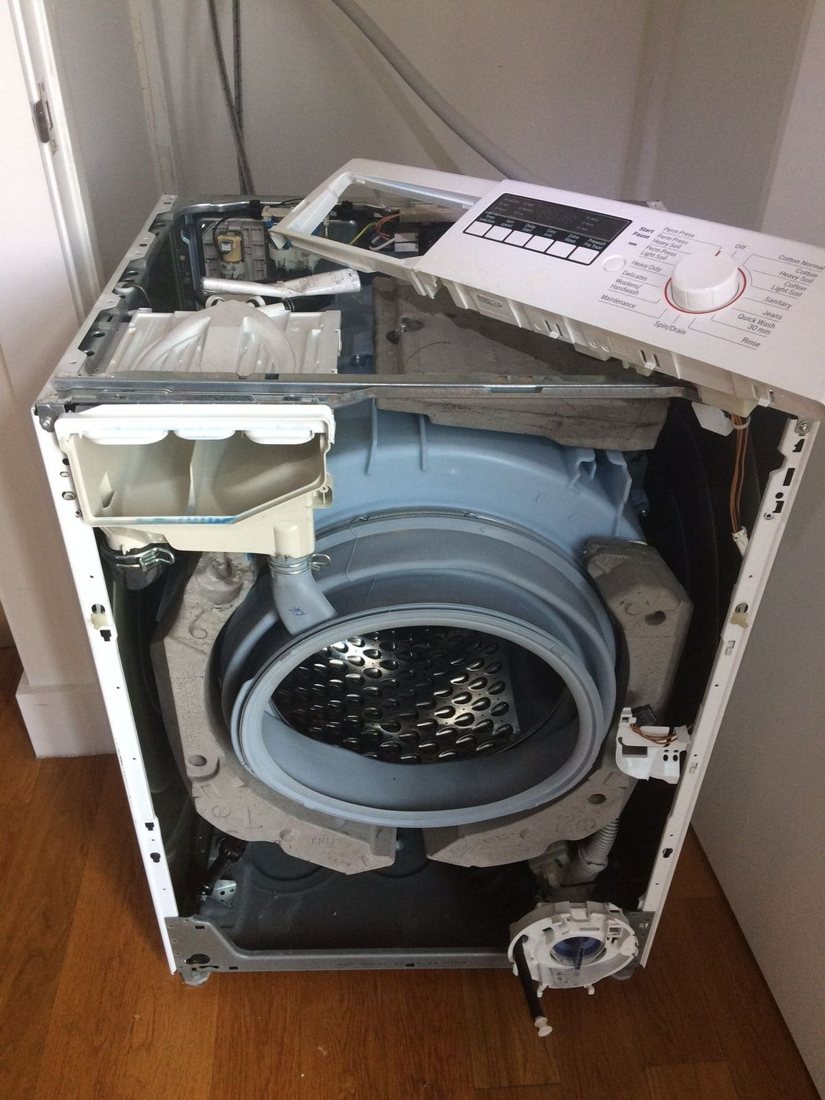
Sound changes with drum speed and cycle stage. A rumble that increases during spin suggests a different area from grinding heard only while draining. We check load balance and installation first, then inspect the suspension, drive, drum and pump systems according to the noise pattern.
1. Metallic Scraping
We examine the metallic scraping in relation to the reported fault and the machine’s operating sequence. The check is intended to confirm whether this area is functioning, obstructed, worn, incorrectly installed or receiving the wrong electrical or control input. Findings from this step are compared with the other symptoms before any repair recommendation is made.
2. Deep Rumble
We examine the deep rumble in relation to the reported fault and the machine’s operating sequence. The check is intended to confirm whether this area is functioning, obstructed, worn, incorrectly installed or receiving the wrong electrical or control input. Findings from this step are compared with the other symptoms before any repair recommendation is made.
3. Rhythmic Knock
We examine the rhythmic knock in relation to the reported fault and the machine’s operating sequence. The check is intended to confirm whether this area is functioning, obstructed, worn, incorrectly installed or receiving the wrong electrical or control input. Findings from this step are compared with the other symptoms before any repair recommendation is made.
4. High-Pitched Squeal
We examine the high-pitched squeal in relation to the reported fault and the machine’s operating sequence. The check is intended to confirm whether this area is functioning, obstructed, worn, incorrectly installed or receiving the wrong electrical or control input. Findings from this step are compared with the other symptoms before any repair recommendation is made.
5. Pump Grinding
We examine the pump grinding in relation to the reported fault and the machine’s operating sequence. The check is intended to confirm whether this area is functioning, obstructed, worn, incorrectly installed or receiving the wrong electrical or control input. Findings from this step are compared with the other symptoms before any repair recommendation is made.
6. Cabinet Vibration
We examine the cabinet vibration in relation to the reported fault and the machine’s operating sequence. The check is intended to confirm whether this area is functioning, obstructed, worn, incorrectly installed or receiving the wrong electrical or control input. Findings from this step are compared with the other symptoms before any repair recommendation is made.
7. Single Foreign-Object Click
We examine the single foreign-object click in relation to the reported fault and the machine’s operating sequence. The check is intended to confirm whether this area is functioning, obstructed, worn, incorrectly installed or receiving the wrong electrical or control input. Findings from this step are compared with the other symptoms before any repair recommendation is made.
8. Spin-Only Banging
We examine the spin-only banging in relation to the reported fault and the machine’s operating sequence. The check is intended to confirm whether this area is functioning, obstructed, worn, incorrectly installed or receiving the wrong electrical or control input. Findings from this step are compared with the other symptoms before any repair recommendation is made.