Monday–Saturday • On-site service across Gauteng Call +27 79 976 2941 · info@washingmachinerepairpros.co.za

Common Washing Machine Faults We Repair

Understand common washing machine faults and book accurate on-site diagnosis from our Gauteng repair team. Call or WhatsApp our team and tell us what the machine is doing.

On-site diagnosis
Clear repair advice
Major brands supported
Gauteng-wide coverage

Book a Technician Near You

Tell us what the appliance is doing. We will use the details to arrange the right technician and respond faster.

Use a number we can call or WhatsApp.
Enter the suburb where the appliance is located.
Example: Samsung WW80 or Defy top loader.
Include the fault, noise, leak, error code or what happens during the cycle.
Book on WhatsApp
Content reviewed: 4 August 2026 • Service information, not a remote diagnosis

How Common Washing-Machine Symptoms Are Separated from Their Causes

A symptom is the starting point, not the diagnosis. The same visible problem can arise from installation conditions, a blocked water path, a worn mechanical component or an electrical control failure. This guide explains the distinctions a technician normally needs to make before recommending a repair.

Not draining versus not spinning

When clothes remain wet, customers often report that the machine is not spinning. The first question is whether water remains in the drum. If it does, the machine may be correctly preventing high-speed spin because the filter, pump or drain path is blocked or the control does not recognise an empty condition. If the machine drains but the drum cannot accelerate, the focus shifts toward load balance, belt, motor, brushes on applicable motors, speed feedback, bearings or control.

Listening to the pump, checking the filter safely, observing the displayed stage and noting whether the door remains locked can provide useful clues. These observations do not justify bypassing safety systems or reaching into a machine connected to power.

Leaks: external connection or internal failure

A puddle near the machine does not automatically mean the tub is cracked. Water may come from the inlet hose, tap connection, detergent drawer, door seal, pump housing, filter cap, drain hose or an internal pipe. The timing matters: a leak during filling points to a different area from one that appears only while draining or spinning.

The floor should be dried and the appliance isolated if water may reach electrical parts. Repeated use can turn a minor seal or hose fault into floor, cabinet or wiring damage.

Noise and vibration

A single knock caused by an unbalanced heavy item differs from persistent rumbling that increases with drum speed. Coins or bra wires can scrape between drum surfaces; worn shock absorbers or suspension can allow excessive movement; bearings can produce a low rumble or play in the drum. Installation on an uneven floor and unremoved transit bolts on a newly installed front loader must also be excluded.

A noise description is more useful when it includes the cycle stage, load type, whether the empty drum feels rough by hand and whether the machine moves from its position. The machine should not be run repeatedly when the drum appears loose or metal contact is heard.

Electrical and control symptoms

A dead machine can involve the socket, plug, supply cable, filter, door interlock, power module or internal wiring. A machine that trips only when heating begins suggests a different path from one that trips immediately at plug-in or during motor acceleration. Insulation testing and safe electrical measurements are required; resetting the circuit repeatedly is not a diagnosis.

Error codes should be recorded exactly with the brand and model. They may indicate a detected condition rather than the failed part itself. For example, a drainage code can be triggered by a blockage, pump failure, wiring issue or control problem, so physical testing remains necessary.

Professional Common Washing Machine Faults We Repair

Common Washing Machine Faults We Repair should be handled with accurate diagnosis, clear communication and practical repair advice. At Washing Machine Repair Pros, we provide on-site support for households, landlords, property managers, laundromats, guesthouses and businesses across Gauteng. Our team focuses on washing machines, tumble dryers and connected laundry equipment, so every page and booking path is built around the problems customers actually need resolved.

We regularly assist with spin failure, drainage failure, water leaks and electrical faults. The exact repair depends on the appliance type, brand, model, age and symptoms. Providing the model number, a photograph of the display and a short video of the noise on WhatsApp can help us prepare for the visit. It does not replace on-site testing, but it can make the booking process more efficient.

Spin Failure

We inspect the relevant systems and repair the confirmed cause rather than replacing parts by guesswork.

Drainage Failure

We inspect the relevant systems and repair the confirmed cause rather than replacing parts by guesswork.

Water Leaks

We inspect the relevant systems and repair the confirmed cause rather than replacing parts by guesswork.

Electrical Faults

We inspect the relevant systems and repair the confirmed cause rather than replacing parts by guesswork.

Door Lock Problems

We inspect the relevant systems and repair the confirmed cause rather than replacing parts by guesswork.

Heating Faults

We inspect the relevant systems and repair the confirmed cause rather than replacing parts by guesswork.

Problems we diagnose and repair

The most common enquiries we receive involve spin failure, drainage failure, water leaks, electrical faults, door lock problems and heating faults. These symptoms may be linked, so the first visible problem is not always the full fault. A washer that will not spin, for example, may actually be refusing to spin because it has not drained. A machine that trips the electricity may have a leak reaching an electrical component rather than a simple supply problem.

We repair many leading brands, including Bosch, Hisense, Whirlpool, Speed Queen, AEG, Siemens. Brand familiarity helps us understand common layouts and error-code systems, but we still test the specific machine. We do not treat an error code as proof that a part must be replaced. The code identifies a system or condition that needs investigation; the underlying cause could be a blockage, wiring issue, sensor reading, installation problem or failed component.

How our on-site diagnosis works

When customers contact us about common washing machine faults we repair, we begin with the symptoms rather than assuming which part has failed. Two machines can show the same outward problem for very different reasons. Our technician checks the operating stage, listens to the machine, tests the relevant mechanical and electrical components, and explains what has been found before repair work begins. This disciplined approach helps prevent unnecessary part replacement and gives you a clearer basis for deciding whether the repair is worthwhile.

When to stop using the appliance

Service coverage across Gauteng

We arrange common washing machine faults we repair across Johannesburg, Pretoria, Sandton, Midrand, Centurion, as well as Randburg, Roodepoort, the East Rand and surrounding suburbs. Availability varies by location and existing bookings, so customers who need urgent assistance should call or send a WhatsApp message with their suburb, appliance brand and main symptom.

Our common washing machine faults we repair service is designed for real homes, rental properties and working businesses where laundry disruption quickly becomes inconvenient. We attend properties across Randburg and nearby areas, bringing practical fault-finding experience for modern and older machines. We work carefully around water, drainage and electrical systems, and we ask customers to stop using an appliance when continued operation could worsen a leak, electrical fault or drum problem.

Recent Repair Work

Frequently Asked Questions

Do you provide common washing machine faults we repair on-site?

Yes. Most diagnosis and repair work is carried out at the customer’s home or business, subject to the machine, fault and parts required.

Can I book through WhatsApp?

Yes. Send your suburb, appliance brand, model number and a description or photo of the fault to +27 79 976 2941.

Do you repair all washing machine brands?

We work on most leading brands. Parts and repair feasibility depend on the exact model, age and condition of the machine.

What can cause spin failure?

Possible causes include installation conditions, blockages, worn mechanical parts, electrical faults, sensors or control problems. Testing is required to identify the actual cause.

Is same-day service guaranteed?

We prioritise urgent requests and often arrange same-day attendance, but availability depends on your location, booking time and technician schedule.

What should I send before the visit?

Send the suburb, brand, model number, fault description, error code and a clear photo of the machine or display where possible.

Need Common Washing Machine Faults We Repair?

Send us your suburb, brand, model and fault. We will help you arrange the right on-site service.

Our Diagnostic Standard for Common Washing Machine Faults We Repair

We consider common washing machine faults we repair complete only when the reported symptom, the underlying cause and the final operating test agree. A part should not be replaced merely because it is commonly associated with a fault. Our process checks the appliance installation, supply conditions, drainage, wiring, mechanical movement and control signals in a logical order so that the recommendation is based on evidence rather than guesswork.

Symptom Mapping Before Parts Replacement

A reported symptom is the starting point, not the diagnosis. “Not spinning” may be caused by retained water, an unbalanced load, a motor problem or a control decision. “Leaking” can originate at the inlet, dispenser, door, pump or tub. We map what the machine was doing immediately before failure to narrow the test path.

1. Cycle Stage Where Failure Begins

We examine the cycle stage where failure begins in relation to the reported fault and the machine’s operating sequence. The check is intended to confirm whether this area is functioning, obstructed, worn, incorrectly installed or receiving the wrong electrical or control input. Findings from this step are compared with the other symptoms before any repair recommendation is made.
2. Sound And Vibration Pattern

We examine the sound and vibration pattern in relation to the reported fault and the machine’s operating sequence. The check is intended to confirm whether this area is functioning, obstructed, worn, incorrectly installed or receiving the wrong electrical or control input. Findings from this step are compared with the other symptoms before any repair recommendation is made.
3. Water Remaining In Drum

We examine the water remaining in drum in relation to the reported fault and the machine’s operating sequence. The check is intended to confirm whether this area is functioning, obstructed, worn, incorrectly installed or receiving the wrong electrical or control input. Findings from this step are compared with the other symptoms before any repair recommendation is made.

4. Temperature Behaviour

We examine the temperature behaviour in relation to the reported fault and the machine’s operating sequence. The check is intended to confirm whether this area is functioning, obstructed, worn, incorrectly installed or receiving the wrong electrical or control input. Findings from this step are compared with the other symptoms before any repair recommendation is made.
5. Door-Lock Status

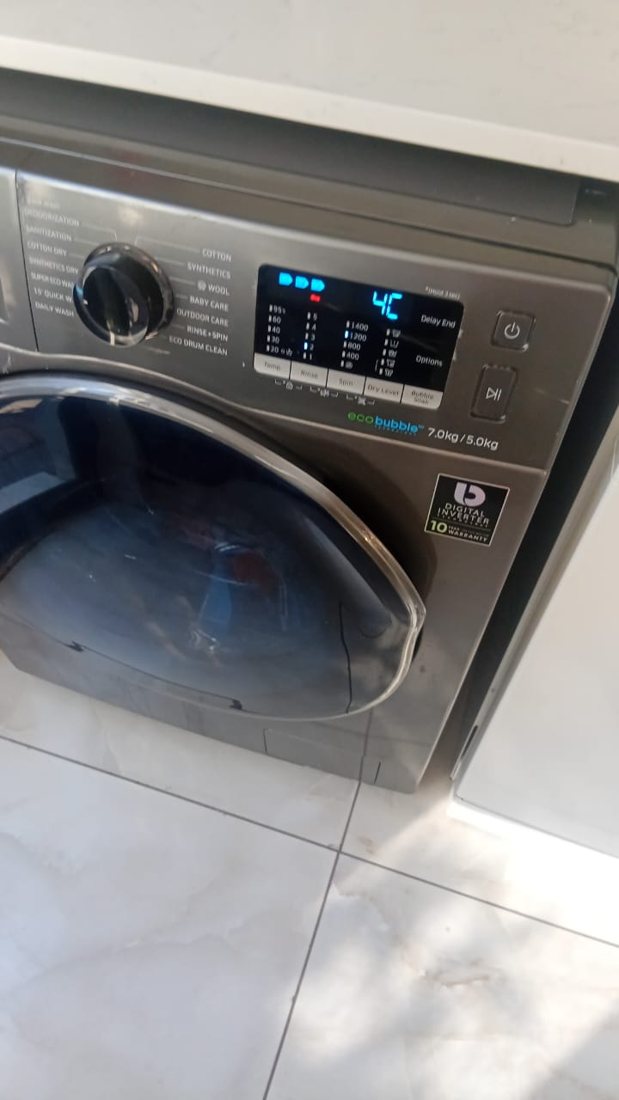
We examine the door-lock status in relation to the reported fault and the machine’s operating sequence. The check is intended to confirm whether this area is functioning, obstructed, worn, incorrectly installed or receiving the wrong electrical or control input. Findings from this step are compared with the other symptoms before any repair recommendation is made.
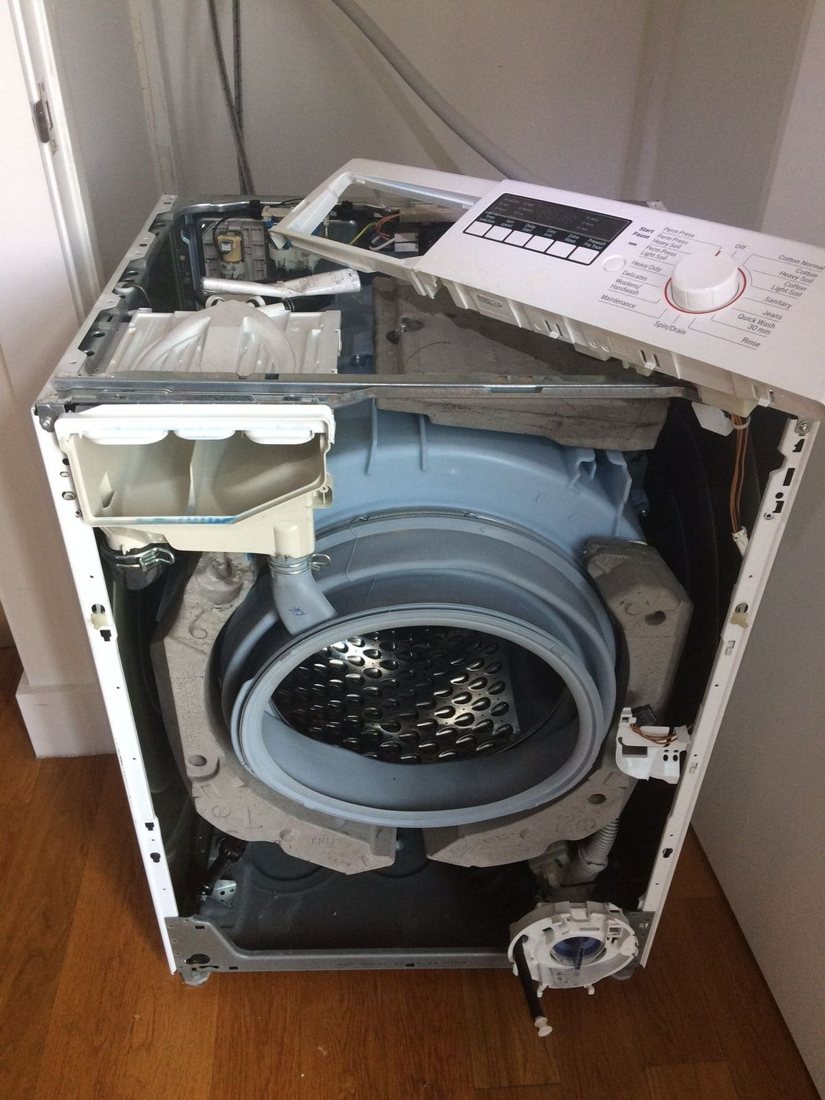
6. Displayed Code Or Flashing Sequence

We examine the displayed code or flashing sequence in relation to the reported fault and the machine’s operating sequence. The check is intended to confirm whether this area is functioning, obstructed, worn, incorrectly installed or receiving the wrong electrical or control input. Findings from this step are compared with the other symptoms before any repair recommendation is made.
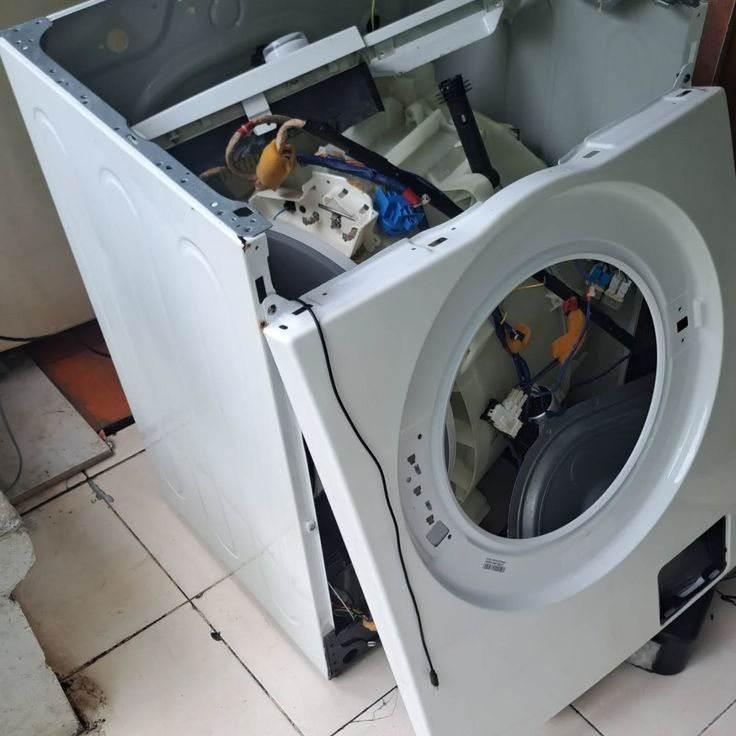
7. Leak Location And Timing

We examine the leak location and timing in relation to the reported fault and the machine’s operating sequence. The check is intended to confirm whether this area is functioning, obstructed, worn, incorrectly installed or receiving the wrong electrical or control input. Findings from this step are compared with the other symptoms before any repair recommendation is made.

8. Electrical Trip Point

We examine the electrical trip point in relation to the reported fault and the machine’s operating sequence. The check is intended to confirm whether this area is functioning, obstructed, worn, incorrectly installed or receiving the wrong electrical or control input. Findings from this step are compared with the other symptoms before any repair recommendation is made.

Call Now WhatsApp Us