Monday–Saturday • On-site service across Gauteng Call +27 79 976 2941 · info@washingmachinerepairpros.co.za

Laundry Equipment Repairs

Repairs for domestic, commercial and light-industrial laundry equipment throughout Gauteng. Call or WhatsApp our team and tell us what the machine is doing.

On-site diagnosis
Clear repair advice
Major brands supported
Gauteng-wide coverage

Book a Technician Near You

Tell us what the appliance is doing. We will use the details to arrange the right technician and respond faster.

Use a number we can call or WhatsApp.
Enter the suburb where the appliance is located.
Example: Samsung WW80 or Defy top loader.
Include the fault, noise, leak, error code or what happens during the cycle.
Book on WhatsApp
Content reviewed: 4 August 2026 • Diagnostic guidance, not a remote diagnosis

Repair Planning for Shared and Commercial Laundry Equipment

Laundry equipment used in guesthouses, laundromats, residences, salons and institutions has different operational demands from a single domestic appliance. Diagnosis must account for duty cycle, user handling, utility supply, installation, access control and the cost of downtime. We separate immediate restoration from the wider maintenance issues that may have contributed to failure.

Understanding equipment and operational context

The booking should identify the machine type, model, capacity, payment or control system, number of units affected and whether the fault stops the whole laundry operation. A single domestic-style washer in a guesthouse requires different planning from a bank of commercial machines sharing drainage, hot water and electrical supplies.

We also ask about recent utility interruptions, plumbing changes, repeated overloads and prior repairs. These details help distinguish a machine fault from a site-wide supply or installation problem.

Mechanical, electrical and water-system checks

Commercial and shared machines can develop pump, valve, belt, bearing, motor, heater, lock, sensor and control faults similar to domestic equipment, but access and component ratings may differ. Coin, card or central-control systems can introduce additional interlocks and communication faults.

High-use environments accelerate wear and make lint, detergent residue and drainage restrictions more significant. Diagnosis considers the individual machine and the common services feeding several units.

Downtime, parts and repair scope

Attendance does not guarantee immediate completion. Heavy components, proprietary controls or model-specific parts may need ordering. Before work proceeds, the customer should understand which unit is isolated, whether other machines can remain in service and what temporary operational precautions apply.

Where repeated faults indicate poor ventilation, inadequate drainage, unstable power, overloading or missed maintenance, repairing one component without addressing the site condition may lead to recurrence.

Testing and maintenance evidence

A repaired machine should be tested through the failed function with an appropriate load or operating condition. For multi-machine sites, labels or service records should identify which unit was worked on, the observed fault, action taken and any follow-up requirement.

Real maintenance schedules, serial-number records and dated repair histories can strengthen future diagnosis. We do not invent service histories or uptime claims; those should be based on records supplied by the customer or business.

Professional Laundry Equipment Repairs

Laundry Equipment Repairs should be handled with accurate diagnosis, clear communication and practical repair advice. At Washing Machine Repair Pros, we provide on-site support for households, landlords, property managers, laundromats, guesthouses and businesses across Gauteng. Our team focuses on washing machines, tumble dryers and connected laundry equipment, so every page and booking path is built around the problems customers actually need resolved.

When customers contact us about laundry equipment repairs, we begin with the symptoms rather than assuming which part has failed. Two machines can show the same outward problem for very different reasons. Our technician checks the operating stage, listens to the machine, tests the relevant mechanical and electrical components, and explains what has been found before repair work begins. This disciplined approach helps prevent unnecessary part replacement and gives you a clearer basis for deciding whether the repair is worthwhile.

Motors And Belts

We inspect the relevant systems and repair the confirmed cause rather than replacing parts by guesswork.

Bearings And Seals

We inspect the relevant systems and repair the confirmed cause rather than replacing parts by guesswork.

Heating Systems

We inspect the relevant systems and repair the confirmed cause rather than replacing parts by guesswork.

Drainage Systems

We inspect the relevant systems and repair the confirmed cause rather than replacing parts by guesswork.

Electrical Controls

We inspect the relevant systems and repair the confirmed cause rather than replacing parts by guesswork.

Water Inlet Systems

We inspect the relevant systems and repair the confirmed cause rather than replacing parts by guesswork.

Problems we diagnose and repair

The most common enquiries we receive involve motors and belts, bearings and seals, heating systems, drainage systems, electrical controls and water inlet systems. These symptoms may be linked, so the first visible problem is not always the full fault. A washer that will not spin, for example, may actually be refusing to spin because it has not drained. A machine that trips the electricity may have a leak reaching an electrical component rather than a simple supply problem.

Our laundry equipment repairs service is designed for real homes, rental properties and working businesses where laundry disruption quickly becomes inconvenient. We attend properties across East Rand and nearby areas, bringing practical fault-finding experience for modern and older machines. We work carefully around water, drainage and electrical systems, and we ask customers to stop using an appliance when continued operation could worsen a leak, electrical fault or drum problem.

How our on-site diagnosis works

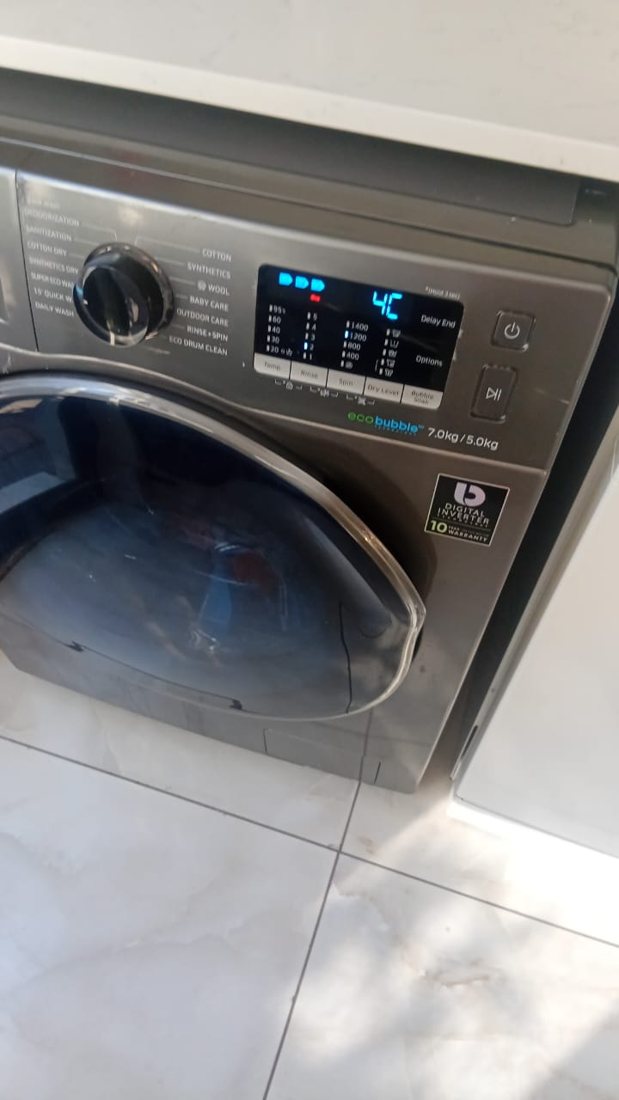
We regularly assist with motors and belts, bearings and seals, heating systems and drainage systems. The exact repair depends on the appliance type, brand, model, age and symptoms. Providing the model number, a photograph of the display and a short video of the noise on WhatsApp can help us prepare for the visit. It does not replace on-site testing, but it can make the booking process more efficient.

When to stop using the appliance

Service coverage across Gauteng

We arrange laundry equipment repairs across Johannesburg, Pretoria, Sandton, Midrand, Centurion, as well as Randburg, Roodepoort, the East Rand and surrounding suburbs. Availability varies by location and existing bookings, so customers who need urgent assistance should call or send a WhatsApp message with their suburb, appliance brand and main symptom.

Recent Repair Work

Frequently Asked Questions

Do you provide laundry equipment repairs on-site?

Yes. Most diagnosis and repair work is carried out at the customer’s home or business, subject to the machine, fault and parts required.

Can I book through WhatsApp?

Yes. Send your suburb, appliance brand, model number and a description or photo of the fault to +27 79 976 2941.

Do you repair all washing machine brands?

We work on most leading brands. Parts and repair feasibility depend on the exact model, age and condition of the machine.

What can cause motors and belts?

Possible causes include installation conditions, blockages, worn mechanical parts, electrical faults, sensors or control problems. Testing is required to identify the actual cause.

Is same-day service guaranteed?

We prioritise urgent requests and often arrange same-day attendance, but availability depends on your location, booking time and technician schedule.

What should I send before the visit?

Send the suburb, brand, model number, fault description, error code and a clear photo of the machine or display where possible.

Need Laundry Equipment Repairs?

Send us your suburb, brand, model and fault. We will help you arrange the right on-site service.

Our Diagnostic Standard for Laundry Equipment Repairs

We consider laundry equipment repairs complete only when the reported symptom, the underlying cause and the final operating test agree. A part should not be replaced merely because it is commonly associated with a fault. Our process checks the appliance installation, supply conditions, drainage, wiring, mechanical movement and control signals in a logical order so that the recommendation is based on evidence rather than guesswork.

Laundry Equipment Beyond a Domestic Washer

Laundry equipment varies greatly in construction and duty cycle. A compact domestic machine used occasionally cannot be assessed in the same way as a high-spin extractor operating repeatedly. Equipment identity, electrical supply, capacity, installation drawings and service history are valuable because many commercial components are model-specific and may require planned sourcing.

1. Stacked Washer-Dryer Units

We examine the stacked washer-dryer units in relation to the reported fault and the machine’s operating sequence. The check is intended to confirm whether this area is functioning, obstructed, worn, incorrectly installed or receiving the wrong electrical or control input. Findings from this step are compared with the other symptoms before any repair recommendation is made.
2. Semi-Commercial Front Loaders

We examine the semi-commercial front loaders in relation to the reported fault and the machine’s operating sequence. The check is intended to confirm whether this area is functioning, obstructed, worn, incorrectly installed or receiving the wrong electrical or control input. Findings from this step are compared with the other symptoms before any repair recommendation is made.
3. Industrial Extractors

We examine the industrial extractors in relation to the reported fault and the machine’s operating sequence. The check is intended to confirm whether this area is functioning, obstructed, worn, incorrectly installed or receiving the wrong electrical or control input. Findings from this step are compared with the other symptoms before any repair recommendation is made.

4. Coin-Operated Controls

We examine the coin-operated controls in relation to the reported fault and the machine’s operating sequence. The check is intended to confirm whether this area is functioning, obstructed, worn, incorrectly installed or receiving the wrong electrical or control input. Findings from this step are compared with the other symptoms before any repair recommendation is made.
5. External Dosing Pumps

We examine the external dosing pumps in relation to the reported fault and the machine’s operating sequence. The check is intended to confirm whether this area is functioning, obstructed, worn, incorrectly installed or receiving the wrong electrical or control input. Findings from this step are compared with the other symptoms before any repair recommendation is made.
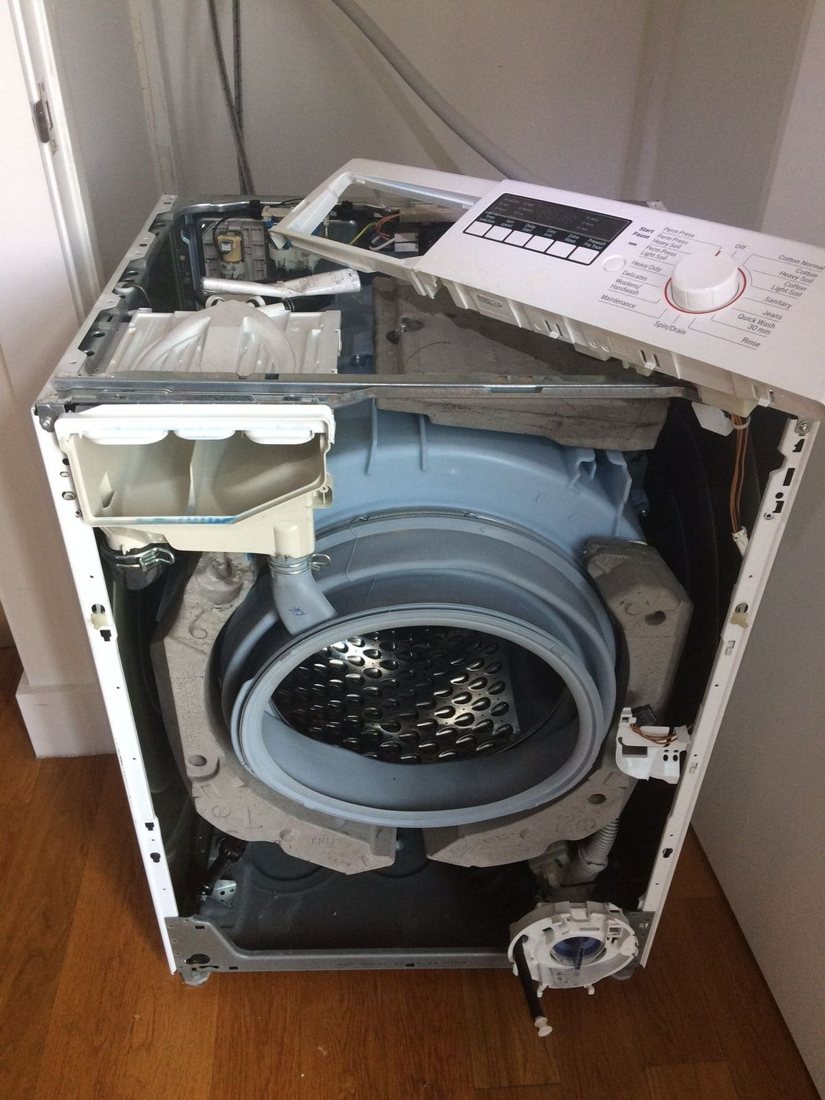
6. Large-Bore Drain Valves

We examine the large-bore drain valves in relation to the reported fault and the machine’s operating sequence. The check is intended to confirm whether this area is functioning, obstructed, worn, incorrectly installed or receiving the wrong electrical or control input. Findings from this step are compared with the other symptoms before any repair recommendation is made.
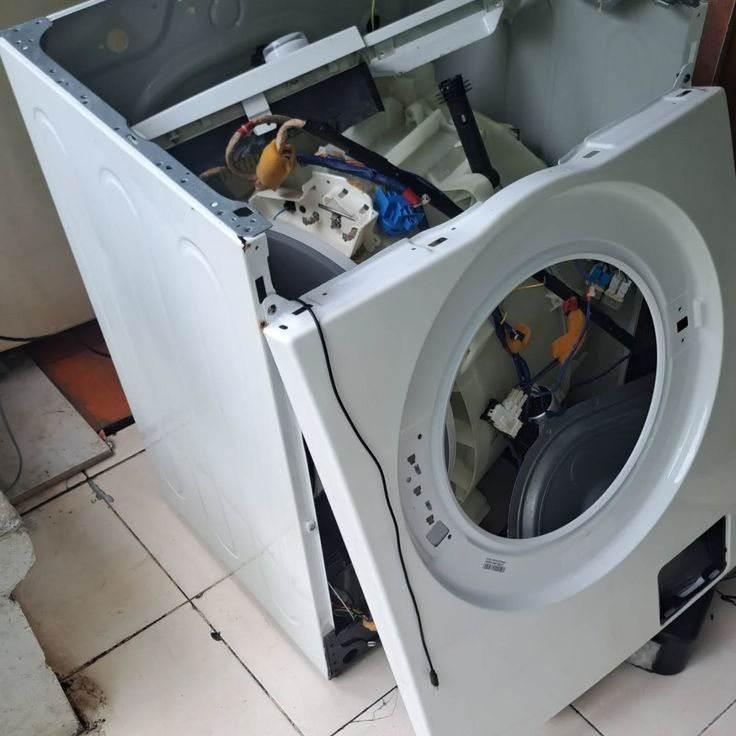
7. Door Gaskets And Locking Hardware

We examine the door gaskets and locking hardware in relation to the reported fault and the machine’s operating sequence. The check is intended to confirm whether this area is functioning, obstructed, worn, incorrectly installed or receiving the wrong electrical or control input. Findings from this step are compared with the other symptoms before any repair recommendation is made.

8. Programmable Control Systems

We examine the programmable control systems in relation to the reported fault and the machine’s operating sequence. The check is intended to confirm whether this area is functioning, obstructed, worn, incorrectly installed or receiving the wrong electrical or control input. Findings from this step are compared with the other symptoms before any repair recommendation is made.

Call Now WhatsApp Us